Ultrasonic cleaners use sound waves to remove dirt, but they can damage certain jewelry. Learn what's safe and what's not.
How Ultrasonic Cleaners Work
Ultrasonic cleaners generate high-frequency sound waves (40-50 kHz) in a cleaning solution, creating millions of tiny bubbles that implode (cavitation), dislodging dirt from hard-to-reach areas. They're effective but powerful.
Safety by Material
TABLE:
| Material/Stone | Ultrasonic Safe? | Notes |
|---|---|---|
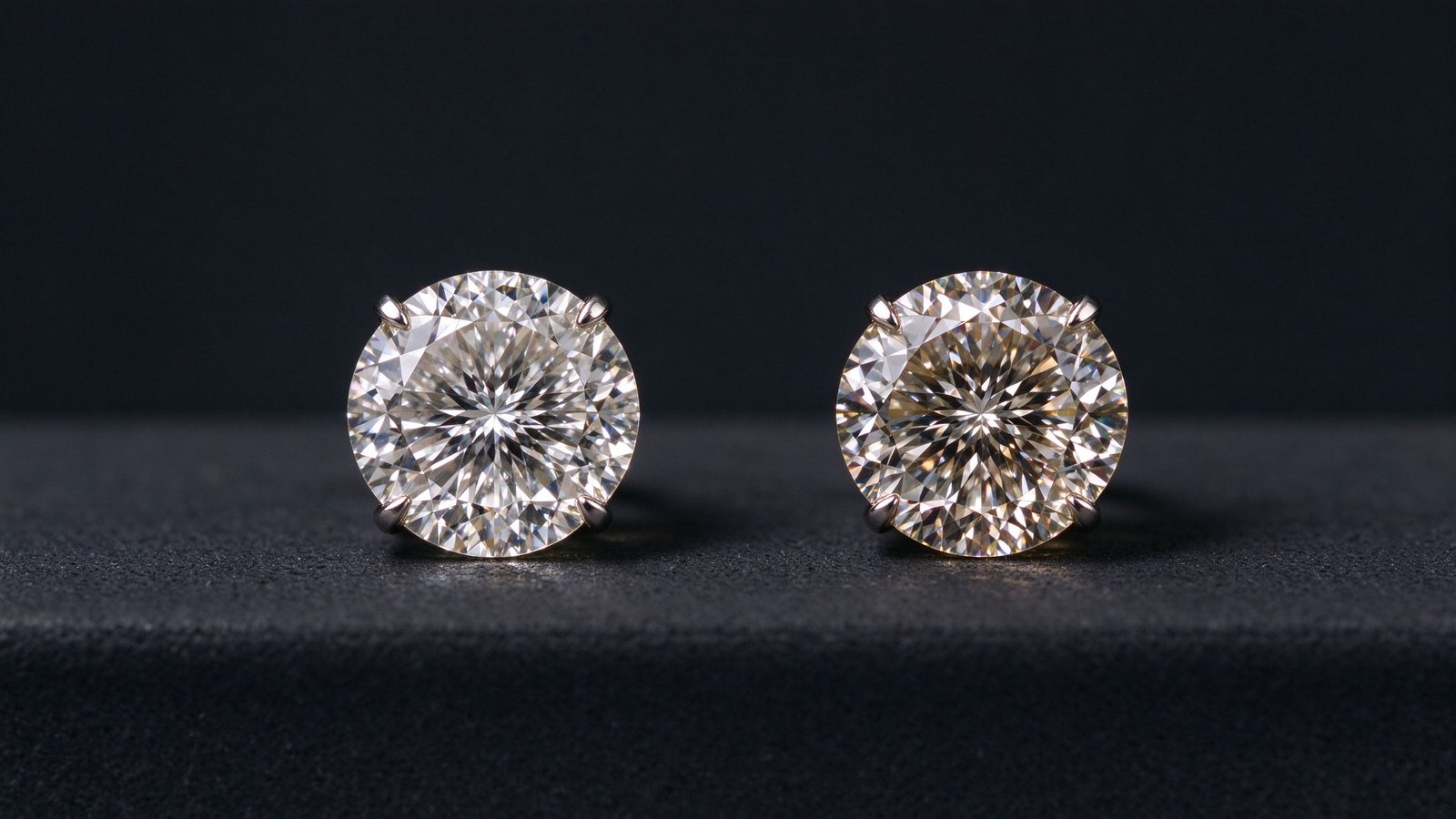
| Moissanite | Yes | Very durable, excellent cleaning |
| Diamond (lab/natural) | Yes | Check settings first |
| 925 Silver | Yes | Remove tarnish separately |
| Gold/Platinum | Yes | Safe for all karats |
| Pearl | NO | Sound waves damage nacre |
| Emerald | NO | Oil-filled, can crack |
| Opal | NO | Porous, can crack |
| Cameos | NO | Organic material |
Risks of Ultrasonic Cleaning
The vibrations can loosen prongs over time, especially in thin or worn settings. Stones with fractures or inclusions can crack. Glued-in stones (common in fashion jewelry) can be dislodged. Always inspect settings after ultrasonic cleaning.
Best Practices
Use a mild jewelry cleaning solution (not bleach or ammonia). Don't overload the basket — pieces can scratch each other. Limit to 2-3 minutes per cycle. Dry immediately with a soft cloth. Inspect stones for tightness after cleaning.
Frequently Asked Questions
Can I use an ultrasonic cleaner for my engagement ring?
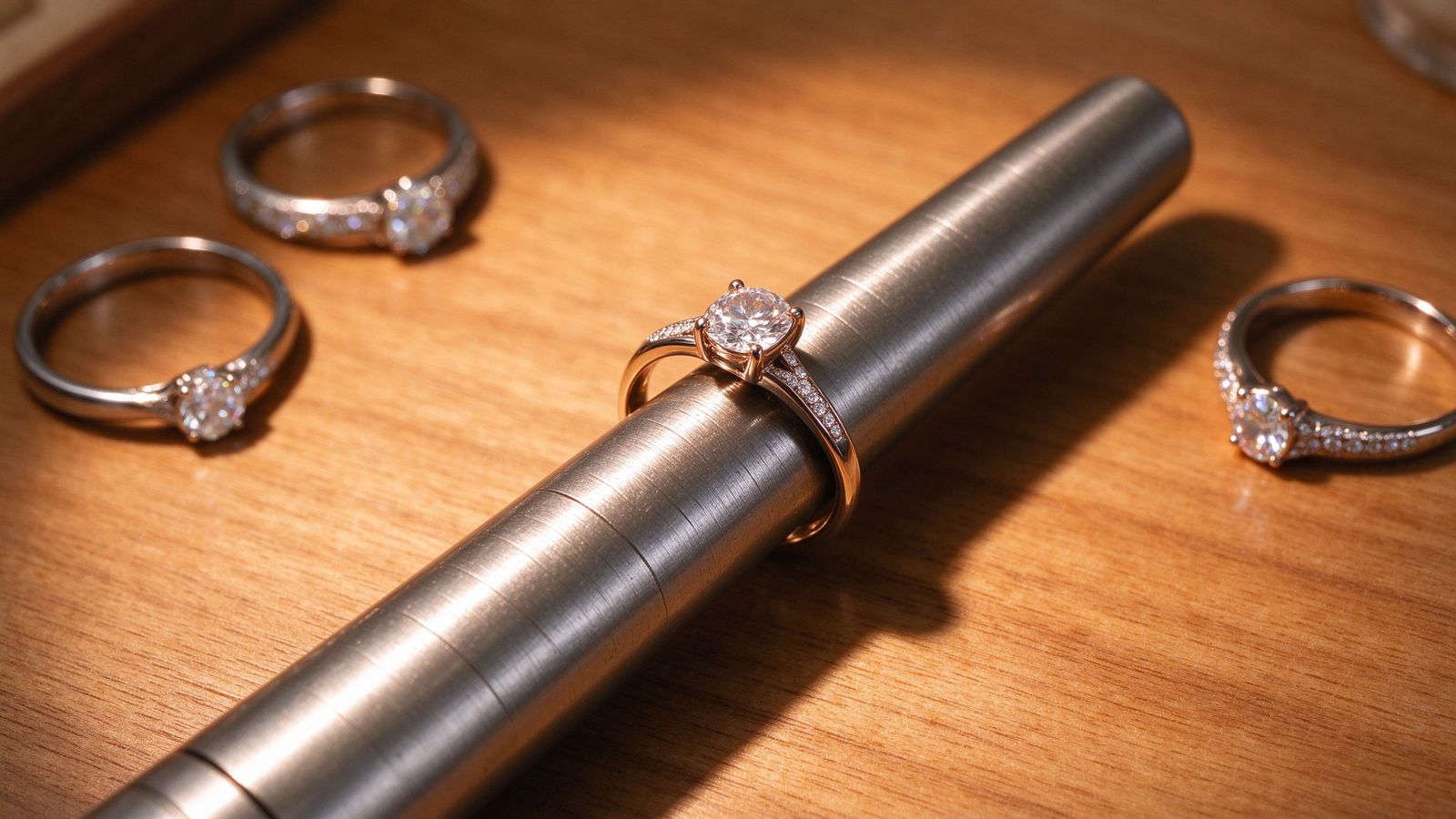
Yes, for moissanite or diamond rings in good condition. If the ring has worn prongs or loose stones, have it inspected first.
What's the alternative for non-ultrasonic-safe pieces?
Gentle hand cleaning with mild soap, warm water, and a soft brush is safe for all jewelry.
Conclusion
Ultrasonic cleaners are powerful tools when used correctly. Holycome recommends ultrasonic cleaning for moissanite and solid metal pieces. Contact service@holycome.com for care guidance specific to your jewelry.